- Scams
- Identity Fraud
Identity Theft
Identity Theft
Last updated
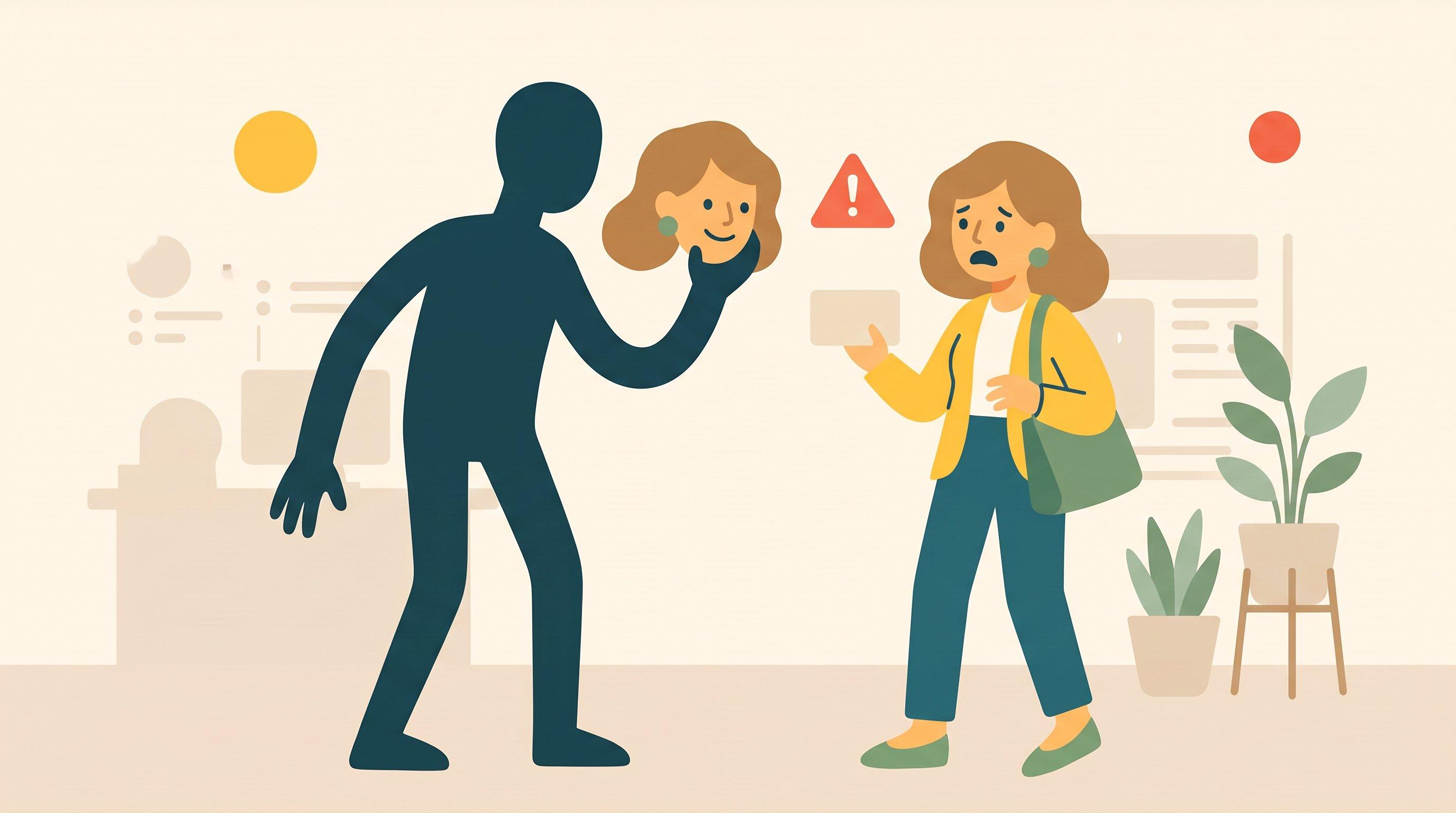
Identity theft is when someone uses your details, for example your personal identity number, address or card details, and pretends to be you. The scammer can order goods on invoice, borrow money or take out subscriptions in your name. The bills then end up with you.
Warning signs
You get invoices, debt collection demands or parcels for things you haven't ordered.
You get a copy of a credit check you don't recognise.
There are purchases or withdrawals on your account that you haven't made.
Post you're expecting doesn't arrive.
How do you avoid this?
- Never give your personal identity number, card details or codes to someone who contacts you.
- Go through your bank statements regularly.
- Use different passwords for different services and turn on two-step verification where you can.
Has this happened to you?
- Report it to the police at polisen.se or call 114 14. You'll need the police report when you dispute invoices.
- Dispute invoices and demands for purchases you haven't made, in writing to the company that sent them.
- Contact the credit reference agencies, for example UC, and ask for a fraud block.
- Call your bank if your cards or your BankID may be involved.
- identity theft
- identity
- personal data
- personal identity number
- invoice
- credit check