Frequently asked questions

Answers to common questions about scams and about Bluffkollen

Questions about scams

What should I do if a phone call feels suspicious?

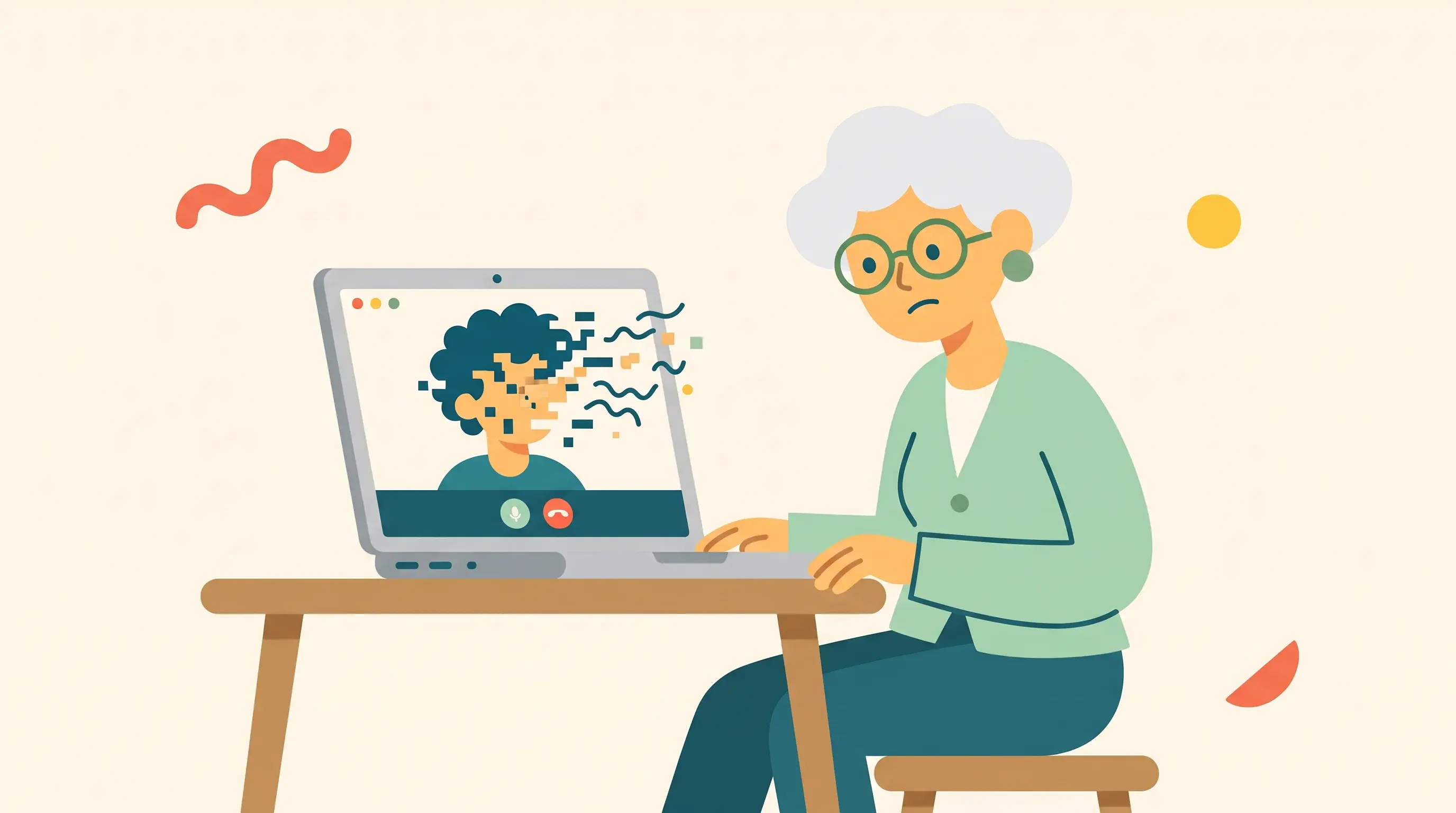
Hang up if you feel unsure.

If you feel even slightly unsure about a call where someone asks you for information or urges you to do or buy something, the simplest thing is to just hang up.

You have no obligation to be polite to strangers who call you. If your gut tells you something is off, hang up and tell someone you trust about the call.

What should I do if someone asks for my personal details?

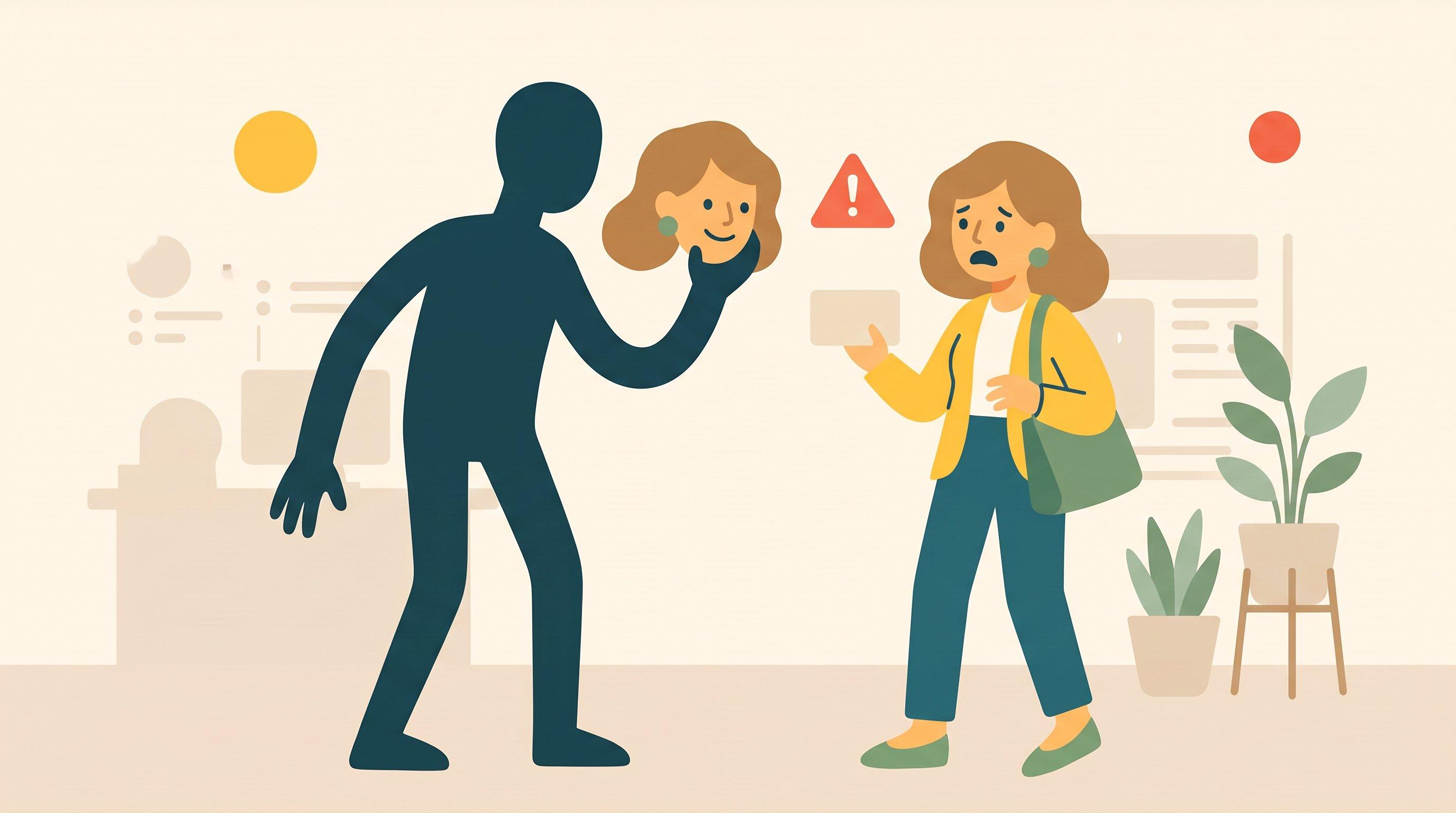
Don't give out personal information to someone who contacts you.

If someone calls you and asks for personal information such as your personal identity number, passwords, codes or bank details, hang up straight away. Established organisations, such as your bank, don't usually ask for that kind of information over the phone.

Be wary of calls from banks, insurance companies and the like. If you are unsure whether the person on the other end really is who they say they are, you can always hang up and call the official number, one you looked up yourself, not a number the caller gave you.

What should I do if someone asks me to use BankID?

Don't use BankID because someone else asks you to.

Only use BankID to identify yourself to services you yourself planned to use. If someone calls you, for example claiming to be from a bank or an insurance company, and asks you to identify yourself with BankID, be on your guard.

It may actually be a scammer who wants to use your identity to buy things or act in your name. That is why you should only use BankID when you are the one who started it.

How do I know if a link or attachment is safe to open?

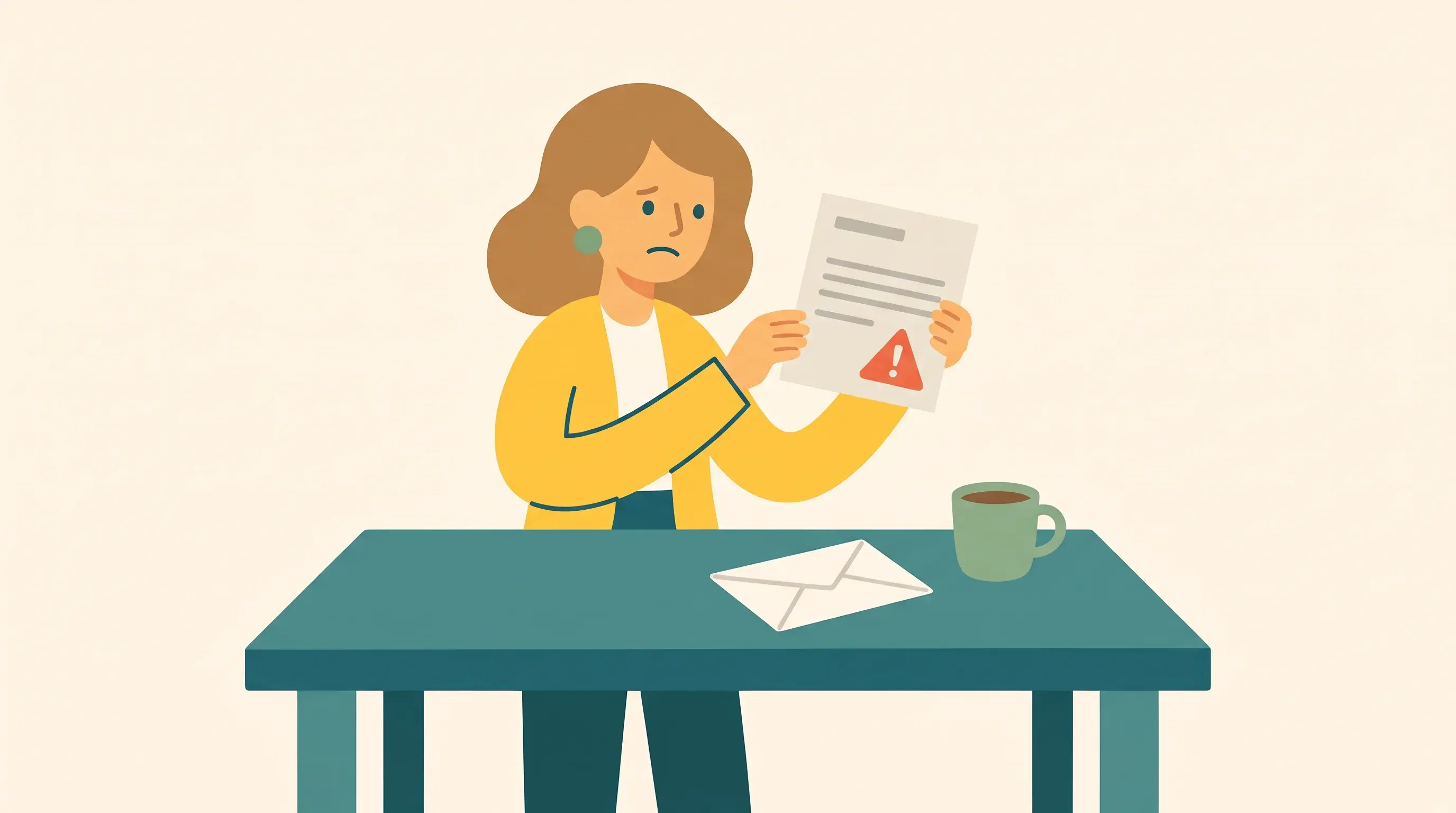
If you aren't sure who a link or attachment comes from, don't click it.

Malware can spread through links and attachments in email, text messages and on social media.

For example, if a stranger sends you a link saying "Check this out", or anything else that makes it tempting to click, leave it alone. Be careful too if someone you know sends a link in a message that doesn't sound like the way they usually write.

Why shouldn't I use the same password everywhere?

If a scammer gets hold of your password, they can get into every account where you use it.

One password is convenient and easy to remember. Even so, we recommend using different passwords for different websites and services, for example with the help of a password manager.

Also use two-step verification for your most important accounts. Then you also need a one-time code to log in, so scammers can't get into the account even if they find out your password.

I think I've been scammed – what do I do now?

Act right away – the faster you are, the better your chance of limiting the damage.

  • Call your bank and block your cards, accounts and BankID. The banks' blocking services are open around the clock.

  • Report the fraud to the Swedish Police at polisen.se or by phone on 114 14.

  • Change the passwords of accounts that may be affected, starting with your email.

  • Keep evidence, such as screenshots, text messages, emails and bank statements.

Be suspicious of anyone who contacts you afterwards offering to help you get your money back. It's a common way to scam the same person a second time.

How do I spot a fake online shop?

Fake online shops often look professional. Be extra careful if:

  • the prices are much lower than in other shops

  • there's no company registration number, address or phone number

  • you can only pay by bank transfer or cryptocurrency

  • the web address was registered recently or resembles a well-known shop's

Paste the link into Bluffsynaren and we'll check the shop for you.

Can scammers call from a number I recognise?

Yes. The number shown on your phone can be faked.

Scammers can make it look as if the call comes from your bank, the police or a government agency. Hang up and call back yourself on the number listed on the bank's or agency's own website.

Questions about Bluffkollen

What is Bluffkollen?

Bluffkollen is a Swedish service that helps you recognise and avoid scams. Here you'll find explanations of common scams, advice and articles, and Bluffsynaren, which helps you check whether an online shop or a message looks like a scam.

Bluffkollen was started in 2024 and is not a government agency or a bank. That means we can't investigate crimes or help you get money back. If you've been scammed, contact your bank and the police.

How does Bluffsynaren work?

Bluffsynaren can check two things:

  • Online shops: paste the link and we look at things like contact details, company registration number, payment methods and how long the web address has existed.

  • Messages: upload a screenshot of a text message or email and an AI assesses whether it looks like a scam attempt.

The answer is a help, not a guarantee. Bluffsynaren can be wrong, so be careful if something feels off.

How can I tell you about a scam?

Email us at tips@bluffkollen.se if you've come across a new scam, a suspicious message or a fake website. The more people share, the faster we can warn others.

If you've lost money, also contact your bank and report it to the police.