- Scams
- Mail & Email Scams
Fake Invoices
Fake Invoices
Last updated
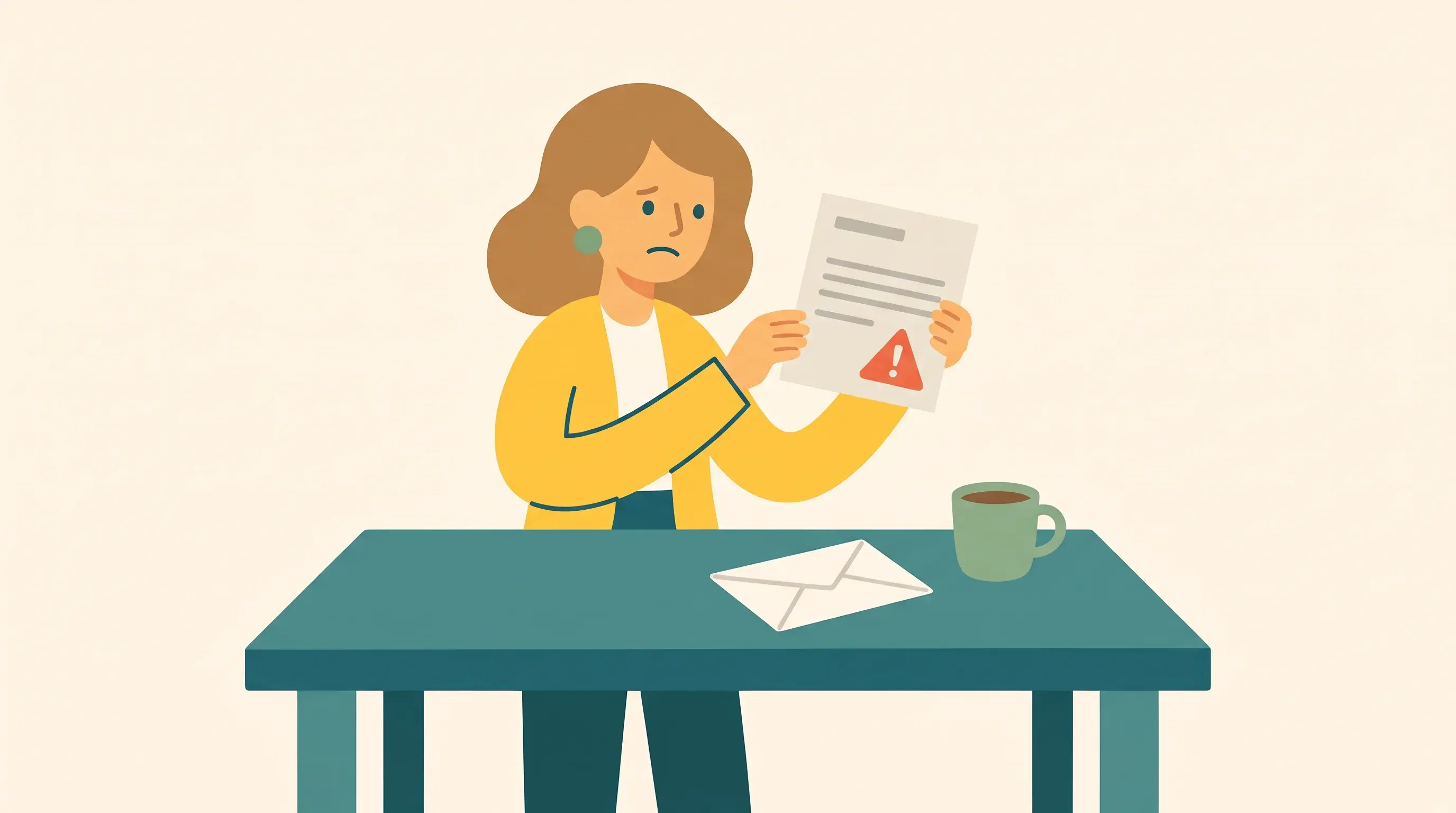
You receive an invoice by letter, email or text message that seems to come from a real company. It may be for a subscription, a service or a fee you don't recognise. The scammers hope you'll pay without checking, for example to avoid debt collection.
Warning signs
You don't recognise what the invoice is for.
The bankgiro or account number is different from the one the company usually uses.
It says the invoice will go to debt collection if you don't pay right away.
The invoice comes as a link or attachment from an unknown sender.
Svensk Handel has more advice (in Swedish) on how to handle a fake invoice.
Examples of Fake Invoices
Fake invoice from a web host

Here is an example of a fake invoice where the scammer claims to be from Loopia, a large Swedish web host that sells domains. The scammer created an email address and named the sender Loopia AB, so it looks like the email comes from there. The email itself is designed to look like a reminder about an unpaid invoice. This is a common trick to make the recipient feel stressed and pay quickly before their website is taken down. It is also common against businesses, where a separate department may handle invoices without knowing every service the company uses. But if you click the sender to see the email address, you can see that it comes from somewhere completely different from Loopia.
How do you avoid this?
- Only pay invoices you recognise.
- Contact the company yourself through its website if you're unsure.
- Don't open attachments or links in invoices from unknown senders.
Has this happened to you?
- Don't pay. Dispute the invoice in writing if you want to be sure.
- Already paid? Contact your bank right away.
- Report it to the police at polisen.se or call 114 14.
- invoice
- fake invoice
- fake invoices
- payment
- debt collection