- Scams
- Mail & Email Scams
Email Phishing
Email Phishing
Last updated
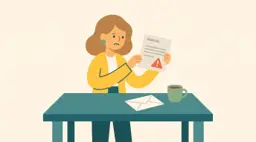
Phishing is email that pretends to come from someone you trust, for example your bank, the Tax Agency or Netflix. The email wants you to click a link and log in or fill in details on a fake page. That's where your passwords, card details or your BankID get stolen.
Warning signs
The sender's address doesn't match the company's real address.
The email threatens something, for example that your account will be blocked, or promises you money back.
You're asked to log in, confirm your details or pay through a link.
The email addresses you as "Dear customer" instead of by name.
Hover your mouse over a link without clicking to see where it really leads.
Examples of Email Phishing
Fake invoice from a web host

Here is an example of a fake invoice where the scammer claims to be from Loopia, a large Swedish web host that sells domains. The scammer created an email address and named the sender Loopia AB, so it looks like the email comes from there. The email itself is designed to look like a reminder about an unpaid invoice. This is a common trick to make the recipient feel stressed and pay quickly before their website is taken down. It is also common against businesses, where a separate department may handle invoices without knowing every service the company uses. But if you click the sender to see the email address, you can see that it comes from somewhere completely different from Loopia.
How do you avoid this?
- Don't click links in emails that ask you to log in. Open the app or type in the web address yourself.
- Banks and authorities never ask for your password or card details by email.
- Turn on two-step verification on your most important accounts.
Has this happened to you?
- Have you entered a password? Change it right away, including anywhere else you use the same password.
- Have you given your card details or logged in with BankID? Call your bank right away and block the card.
- Report it to the police at polisen.se or call 114 14.
- phishing
- email phishing
- link